
1. Agriculture and Irrigation
Agriculture is one of the largest sectors using HDPE pipes.
Applications include:
• Drip irrigation systems
• Sprinkler irrigation systems
• Borewell connections
• Farm water distribution networks
• Water transportation for crops
• Greenhouse irrigation systems
Benefits:
• Reduces water wastage
• Improves crop productivity
• Low maintenance
• Long service life
Farmers prefer HDPE pipes because they can withstand varying weather conditions and provide reliable water delivery.
________________________________________
2. Drinking Water Supply Systems
HDPE pipes are extensively used in potable water distribution systems.
Applications:
• Municipal water supply
• Rural water supply schemes
• Housing projects
• Commercial buildings
• Residential complexes
Advantages:
• Leak-proof joints
• Hygienic water transportation
• Corrosion-free performance
• Long operational life
HDPE pipes help maintain water quality from source to consumer.
________________________________________
3. Natural Gas Distribution
HDPE pipes are widely used for underground gas distribution networks.
Applications:
• Natural gas pipelines
• PNG (Piped Natural Gas)
• LPG distribution systems
• Industrial gas supply
Benefits:
• Excellent safety
• Flexible installation
• Corrosion resistance
• Reduced maintenance costs
________________________________________
4. Sewerage and Drainage Systems
HDPE pipes are ideal for wastewater and drainage applications.
Applications:
• Sewage systems
• Stormwater drainage
• Rainwater harvesting
• Underground drainage networks
Benefits:
• Chemical resistance
• Long life span
• Easy installation
• Excellent flow characteristics
________________________________________
5. Industrial Applications
Many industries use HDPE pipes because of their resistance to chemicals and harsh environments.
Industries include:
• Chemical plants
• Pharmaceutical industries
• Food processing units
• Textile industries
• Paper mills
• Fertilizer plants
Applications:
• Chemical transportation
• Effluent disposal
• Water supply systems
• Process pipelines
________________________________________
6. Mining Industry
Mining operations require durable pipelines capable of handling abrasive materials.
Applications:
• Slurry transportation
• Mine dewatering
• Tailings disposal
• Water transfer systems
Benefits:
• High abrasion resistance
• Long-lasting performance
• Reduced replacement costs
________________________________________
7. Telecommunication and Cable Protection
HDPE ducts are widely used for protecting underground cables.
Applications:
• Optical fiber cable protection
• Electrical cable conduits
• Telecom infrastructure
• Internet network installations
Benefits:
• Excellent durability
• Protection from moisture
• Easy cable pulling
________________________________________
Types of HDPE Pipe
PE63 HDPE Pipe
An older generation material with lower pressure handling capability.
PE80 HDPE Pipe
Offers improved strength and durability for medium-pressure applications.
PE100 HDPE Pipe
The latest and strongest grade available.
Advantages:
• Higher pressure resistance
• Greater durability
• Longer service life
• Reduced wall thickness requirements
PE100 is the preferred choice for modern water and gas distribution systems.
________________________________________
Pressure Ratings of HDPE Pipes
HDPE pipes are available in different pressure classes:
• PN 2.5
• PN 4
• PN 6
• PN 8
• PN 10
• PN 12.5
• PN 16
• PN 20
The PN value indicates the maximum operating pressure the pipe can safely withstand.
Higher PN ratings are used for high-pressure applications.
________________________________________
Jointing Methods for HDPE Pipes
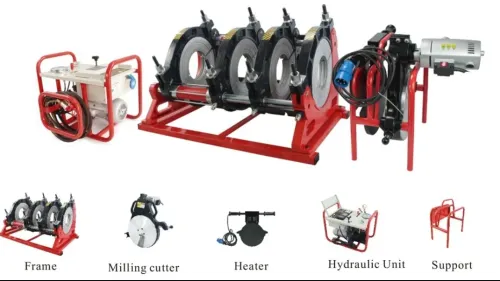
Butt Fusion Welding
The most commonly used joining method.
Process:
• Pipe ends are heated.
• Melted ends are pressed together.
• A permanent and leak-proof joint is formed.
Advantages:
• Stronger than the pipe itself
• Zero leakage
• Long-lasting connection
________________________________________
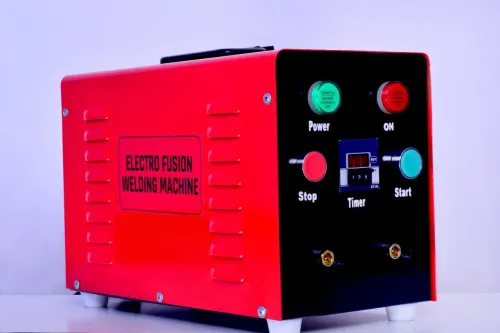
Electrofusion Welding
Uses special fittings containing electrical heating elements.
Advantages:
• Suitable for confined spaces
• Highly reliable
• Easy installation
________________________________________
Compression Fittings
Used for smaller diameter pipes.
Advantages:
• Easy assembly
• No special equipment required
________________________________________
Key Features of HDPE Pipes
High Strength
HDPE pipes can withstand heavy loads and harsh operating conditions.
Flexibility
They can bend without breaking, making installation easier.
Corrosion Resistance
Unlike metal pipes, HDPE does not rust or corrode.
Chemical Resistance
Resistant to many acids, alkalis, and industrial chemicals.
Lightweight
Easy transportation and handling reduce installation costs.
Leak-Free System
Fusion-welded joints eliminate leakage problems.
Smooth Internal Surface
Improves flow efficiency and reduces pressure loss.
UV Resistance
Suitable for outdoor installations.
Impact Resistance
Performs well even under rough handling.
Long Service Life
Typically exceeds 50 years under normal operating conditions.
________________________________________
Advantages of HDPE Pipes
✔ Corrosion-free
✔ Leak-proof joints
✔ Long lifespan
✔ Low maintenance costs
✔ Lightweight and easy to transport
✔ High flexibility
✔ Excellent chemical resistance
✔ Reduced installation costs
✔ Environmentally friendly
✔ Recyclable material
✔ Energy-efficient fluid transportation
✔ High impact strength
✔ Suitable for underground installation
✔ Excellent hydraulic performance
✔ Reliable under varying temperatures
________________________________________
Limitations of HDPE Pipes
Although HDPE pipes offer many benefits, some limitations include:
• Not suitable for extremely high-temperature applications.
• Requires proper welding techniques.
• May expand and contract with temperature changes.
• Specialized equipment may be required for fusion welding.
________________________________________
Why HDPE Pipes Are Better Than Traditional Pipes
Compared with steel, cast iron, and conventional piping systems, HDPE pipes provide:
• Better corrosion resistance
• Lower installation costs
• Longer service life
• Improved flexibility
• Leak-free performance
• Lower maintenance expenses
This makes HDPE one of the most economical piping solutions available today.
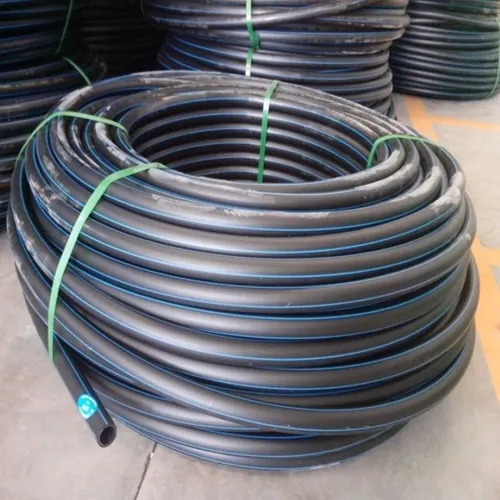
HDPE Pipe is a modern, high-performance piping solution used across agriculture, water supply, gas distribution, drainage, mining, industrial processing, and telecommunications. Its exceptional strength, flexibility, corrosion resistance, leak-proof joints, and service life of more than 50 years make it one of the most trusted piping systems worldwide.
Whether it is supplying clean drinking water to cities, delivering irrigation water to farms, transporting industrial chemicals, protecting optical fiber cables, or managing drainage systems, HDPE pipes provide a reliable, durable, and cost-effective solution. As infrastructure development continues to grow globally, HDPE pipes remain the preferred choice for engineers, contractors, industries, and farmers seeking long-term performance and maximum value.